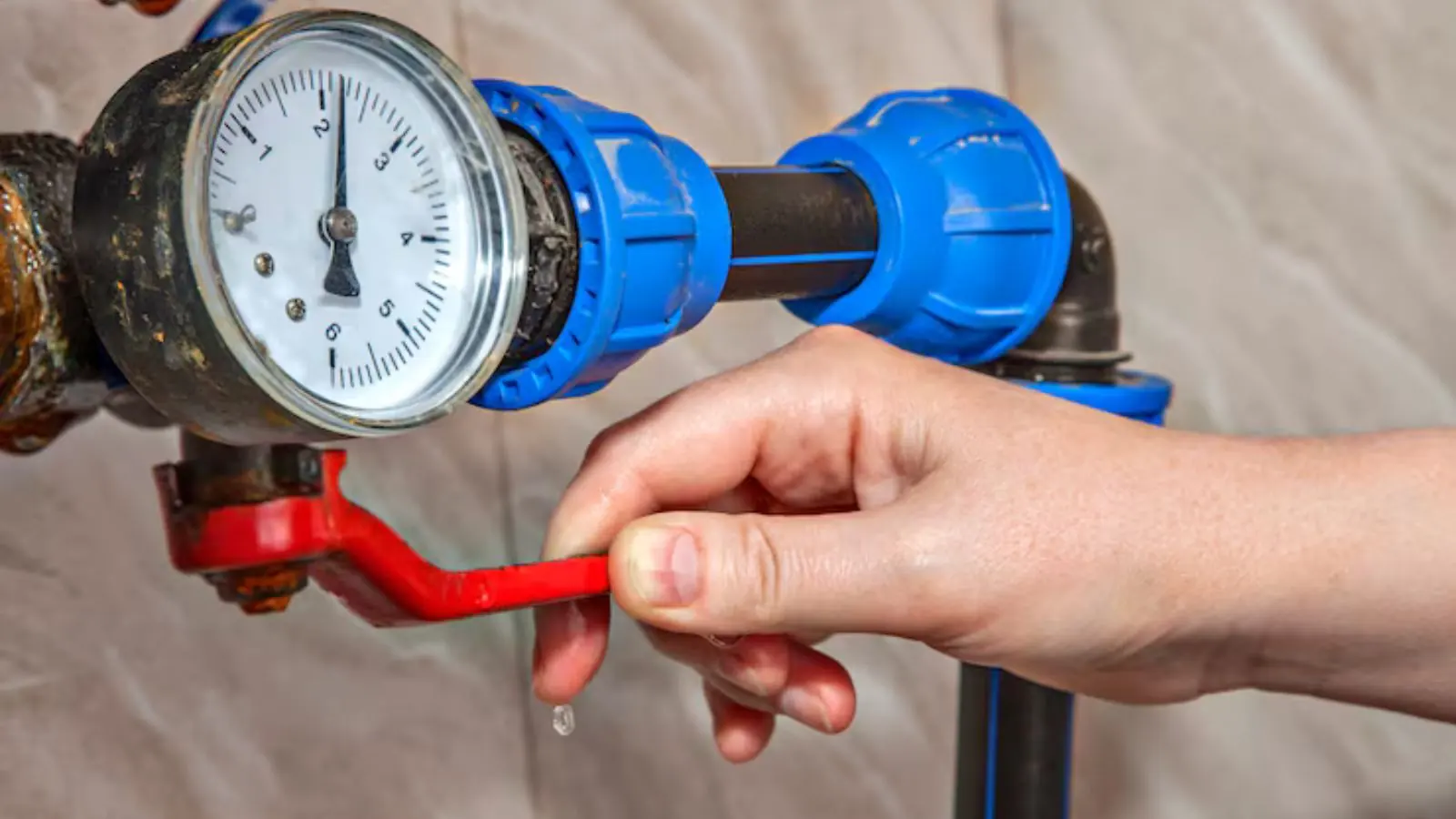
Compare this bill with the same month last year, then do the meter test: turn off all water and watch the meter for fifteen minutes. If it moves, you have a leak. If it does not, look at habits, irrigation and billing. If the meter keeps moving and you cannot find the cause, call (385) 488-1892 and we will trace it.
Seven causes, ordered by how easy they are to check
Billing period length
A bill covering 35 days will be higher than one covering 28. Compare the dates, not only the total.
Seasonal watering
Draper reports that about 63% of demand is outdoor use. A hot spell or a new lawn can change a bill quickly.
A running toilet
A bad flapper can waste a lot of water without a sound. Use food coloring in the tank to test.
Dripping fixtures
Faucets, shower heads and outdoor bibs add up over weeks.
Irrigation controller settings
A reset after a power outage can run zones at the wrong time or for too long.
Water heater or appliance leaks
A weeping relief valve or a failing dishwasher hose can run unseen.
Service line leak
A buried line between meter and house can leak for weeks before the yard shows it.
Draper note: culinary, secondary and who reads the meter
Draper homes may receive two kinds of water. Culinary water is for drinking and household use, and Draper City or WaterPro supplies it depending on location. Secondary water, where it applies, irrigates yards and is typically on from about April 15 to October 15. Make sure you are looking at the right bill and the right meter.
Draper City has been installing advanced metering with leak tracking. If your account has one, the online portal may show continuous overnight flow, which points to a leak. Call the utility on your bill to ask. Draper City utility billing is at (801) 576-6302.
What a meter tells you
| What you see | What it means | Next step |
|---|---|---|
| Meter still after fifteen minutes with all water off | No ongoing leak | Look at use, irrigation and billing dates |
| Meter moves, stops when the main valve is closed | Leak inside the house | Check toilets, fixtures and appliances, then call |
| Meter moves even with the main valve closed | Leak before the valve, in the service line | See water line repair |
| Meter moves only when a toilet is quiet | Toilet flapper or fill valve | See toilet repair |
How to read last year against this year
Pull out the same billing period from last year and compare use, not dollars. Rates change, and the dollar figure can move for reasons that have nothing to do with your plumbing. If use is up by a third or more with no change in the household, something is different. Ask what changed: a new sprinkler zone, guests, a new appliance or a repaired fixture that now flows harder than before.
Seasonal patterns matter in Draper. Winter use is mostly indoor, so a winter spike is a stronger leak signal than a summer one. A bill that jumps in January or February, when lawns are asleep, deserves a meter test right away. A bill that jumps in July may simply reflect heat and a thirsty lawn.
Small leaks add up
A toilet that runs intermittently might waste tens of gallons a day. A single dripping faucet adds up over weeks. A pinhole in a pressurized line can send hundreds of gallons into a wall cavity each day, and you will not see it until the finish fails. The water you can see is the cheap part. The damage behind it is what drives repair costs, which is why chasing a bill spike early pays off.
Do one more thing before you spend money: read the bill closely. Look for fees and tiers, since many utilities charge more per unit once use crosses a threshold. A modest rise in gallons can push part of your use into a higher tier and make the total look dramatic.
Bill jumped?
Call to book a leak trace if the meter moves with everything off.
Fixes that pay for themselves
Replace the flapper
A cheap part that saves gallons each night.
Fix drips
See faucet repair for what wears first.
Set the irrigation controller
Water in the early morning and match run times to the season.
Install a pressure regulator
High pressure wastes water and stresses fixtures.
Hard water can also hide leaks by encrusting fixtures. Draper City reports total hardness up to 357 mg/L at some sources, and scale around a faucet base can mask a slow drip. Wipe and look.
When to bring in a professional
If the meter moves and you have eliminated toilets, fixtures and the irrigation system, the leak is hidden. A plumber can use leak detection to find it without opening walls. If the leak is in the buried service line, repair options range from a spot dig to a trenchless replacement.
Before any digging, call 811 for Blue Stakes of Utah locates. Ask the Draper Building Division at (801) 576-6399 whether your repair needs a permit.
If everything checks out and the bill is still high, ask the utility to read the meter again and confirm the reading. Meter errors are rare, but a misread is easy to fix and costs nothing to ask about.
Ask the utility for help
Questions worth asking Draper City or WaterPro
- Does my account show continuous flow overnight?
- Can you compare my use to the same period last year?
- Is there a leak adjustment policy for a documented repair?
- What is the billing period for this bill?
- Is my meter an advanced meter that reports hourly?
Policies vary, so ask. If you find and fix a leak, keep the plumber invoice and ask whether the utility offers any adjustment.
Sources and standards behind this page
Billing contacts are the numbers Draper City publishes. According to Draper's water element, outdoor use is about 63% of demand, which is why seasonal watering moves a bill so much.
Straight Answers
Common causes are a longer billing period, heavy irrigation, a running toilet or a hidden leak. Do a meter test to separate leaks from use.
Call the provider on your bill. Draper City utility billing is at (801) 576-6302. WaterPro customers should contact WaterPro.
Yes. A leaking flapper can waste water silently. Food coloring in the tank reveals it.
No. Seasonal watering is a large share of demand. Compare to last summer and check the billing dates.
Yes. Acoustic gear and pressure tests locate buried leaks, and a call to 811 before digging is required.
Yes. Call (385) 488-1892 any hour.